
Sell My Car After an Accident
02-Jun-2026When Repairing the Vehicle Stops Making Sense
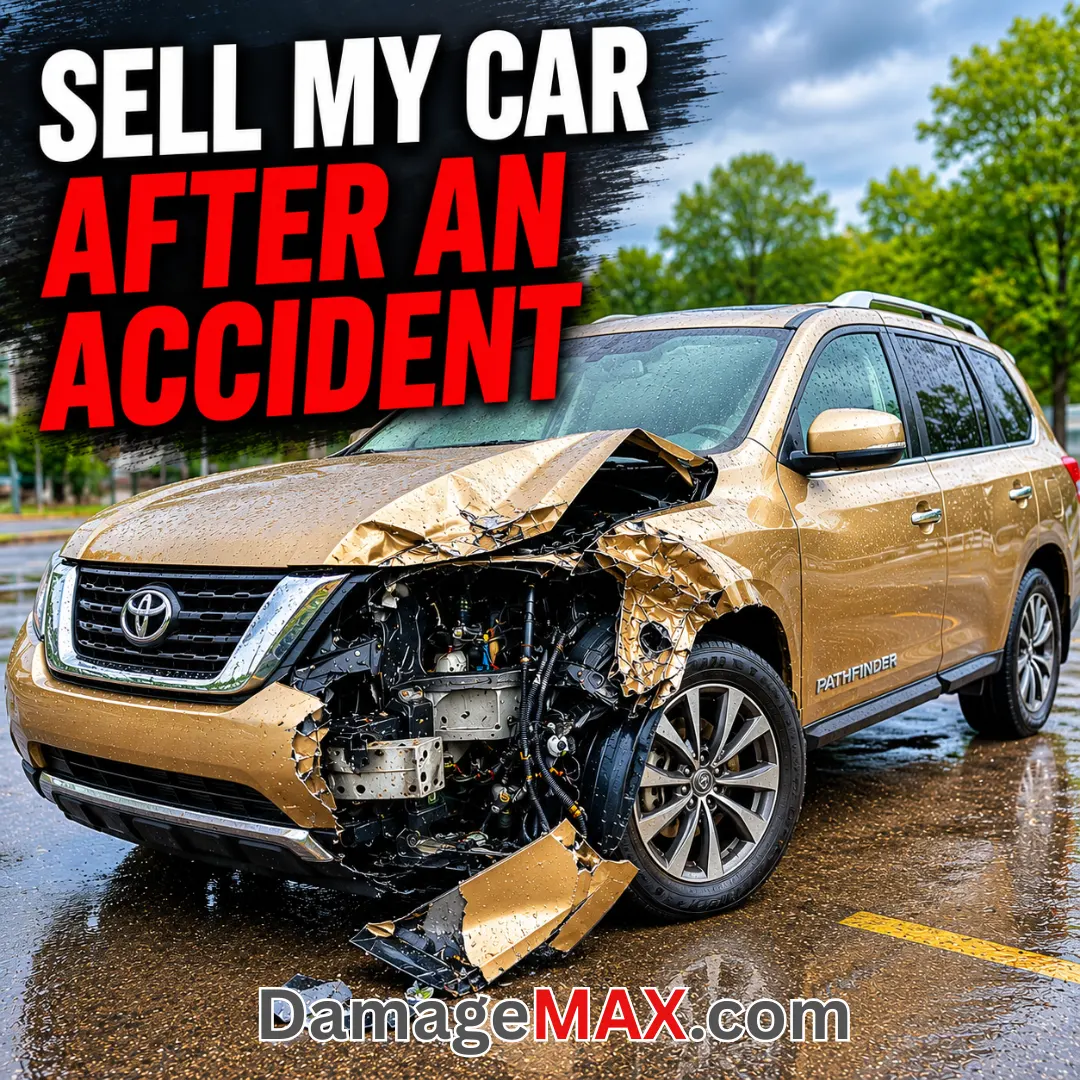
An accident can change the value of a vehicle in an instant. One moment it is a reliable asset sitting in the driveway, and the next it becomes a financial question mark. While most vehicle owners initially focus on the visible damage, the real challenge often begins after the tow truck leaves. Insurance claims, repair estimates, parts shortages, rental car expenses, and diminished value concerns can quickly turn a stressful situation into a costly one.
Many owners assume repairing the vehicle is the obvious next step. In reality, that decision deserves a closer look. Modern vehicles have become increasingly expensive to repair due to advanced electronics, cameras, sensors, driver-assistance systems, and specialized materials. What appears to be a relatively straightforward collision can generate repair estimates that climb far beyond what many owners expect. As those estimates begin to arrive, many people start asking a different question. Instead of wondering how to fix the vehicle, they begin wondering whether fixing it is the smartest financial move at all.
The Hidden Cost of Accident Damage
One of the biggest misconceptions after a collision is that repairing the vehicle automatically restores its value. Unfortunately, that is rarely the case.
Even when repairs are completed properly, accident history often follows the vehicle for years. Future buyers may become hesitant. Trade-in offers frequently decrease. In some cases, lenders and dealerships view previously damaged vehicles differently than vehicles with clean histories.
This creates a frustrating reality for many owners. They may spend thousands of dollars repairing a vehicle only to discover that the market still sees it as an accident vehicle. The result is that owners often find themselves investing more money into a vehicle that may never fully recover its previous market value.
Common Situations That Lead Owners To Sell
Situation |
Why Owners Choose To Sell |
|---|---|
Insurance Total Loss |
Repair costs exceed economic value |
Major Collision Damage |
Major Collision Damage |
Airbag Deployment |
Safety system repairs become expensive |
Frame or Structural Damage |
Long-term concerns reduce confidence |
Flood Damage |
Reliability concerns increase over time |
Multiple Accident History |
Future resale value continues declining |
Extended Parts Delays |
Vehicle remains unusable for months |
ELarge Out-of-Pocket Costs |
Repair investment no longer makes sense |
For many owners, the decision to sell is not driven by emotion. It is driven by math. Once repair costs, diminished value, future depreciation, and ongoing inconvenience are considered together, selling often becomes the more practical solution.
Why Selling After an Accident Can Be Difficult
The challenge is that not every buyer wants a damaged vehicle.
Traditional dealerships frequently lower their offers significantly when accident damage is involved. Private buyers often become nervous when reviewing vehicle history reports. Online marketplaces may generate dozens of inquiries, but many of those conversations end with unrealistic offers or buyers who disappear entirely.
The reason is simple. Most buyers evaluate damaged vehicles based solely on what they see. Professional damaged vehicle buyers take a different approach. They understand repair economics, salvage value, parts demand, rebuild potential, and current market conditions. As a result, they are often able to recognize value that traditional buyers overlook.
Why More Sellers Are Turning To DamageMAX
After an accident, time is rarely working in the owner's favor. Storage fees can accumulate. Insurance claims can drag on. Repair estimates can continue climbing as additional damage is discovered during disassembly.
Meanwhile, the vehicle remains parked, creating stress while tying up money that could potentially be used elsewhere.
DamageMAX specializes in purchasing wrecked, damaged, totaled, salvage, and non-running vehicles. Whether the damage involves a collision, flood, hail, theft recovery, airbag deployment, or an insurance total loss, there may still be significant value remaining in the vehicle.
Before committing to expensive repairs or accepting a lowball offer from a buyer who only sees damage, it makes sense to understand all available options. Many sellers are surprised to learn that a wrecked vehicle may be worth substantially more than they expected.
Selling your car after an accident is not about giving up on the vehicle. It is about making a smart financial decision based on the reality of the situation. For many owners, converting a damaged vehicle into cash and moving forward is ultimately the decision that makes the most sense...and that would be DamageMAX.com!
Comment